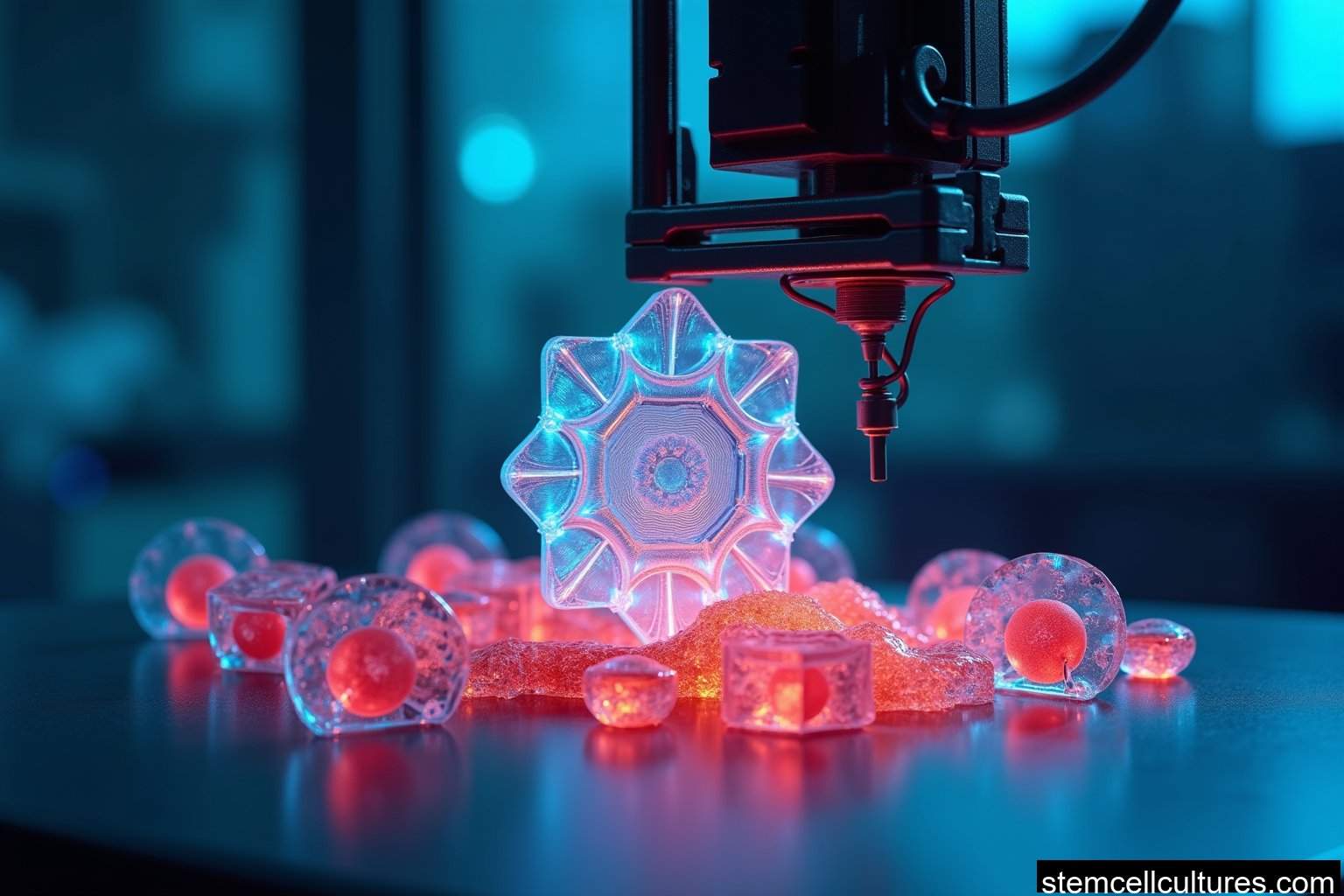
Unveiling the Future: Revolutionary 3D Printing for Stem Cell Scaffold Creation
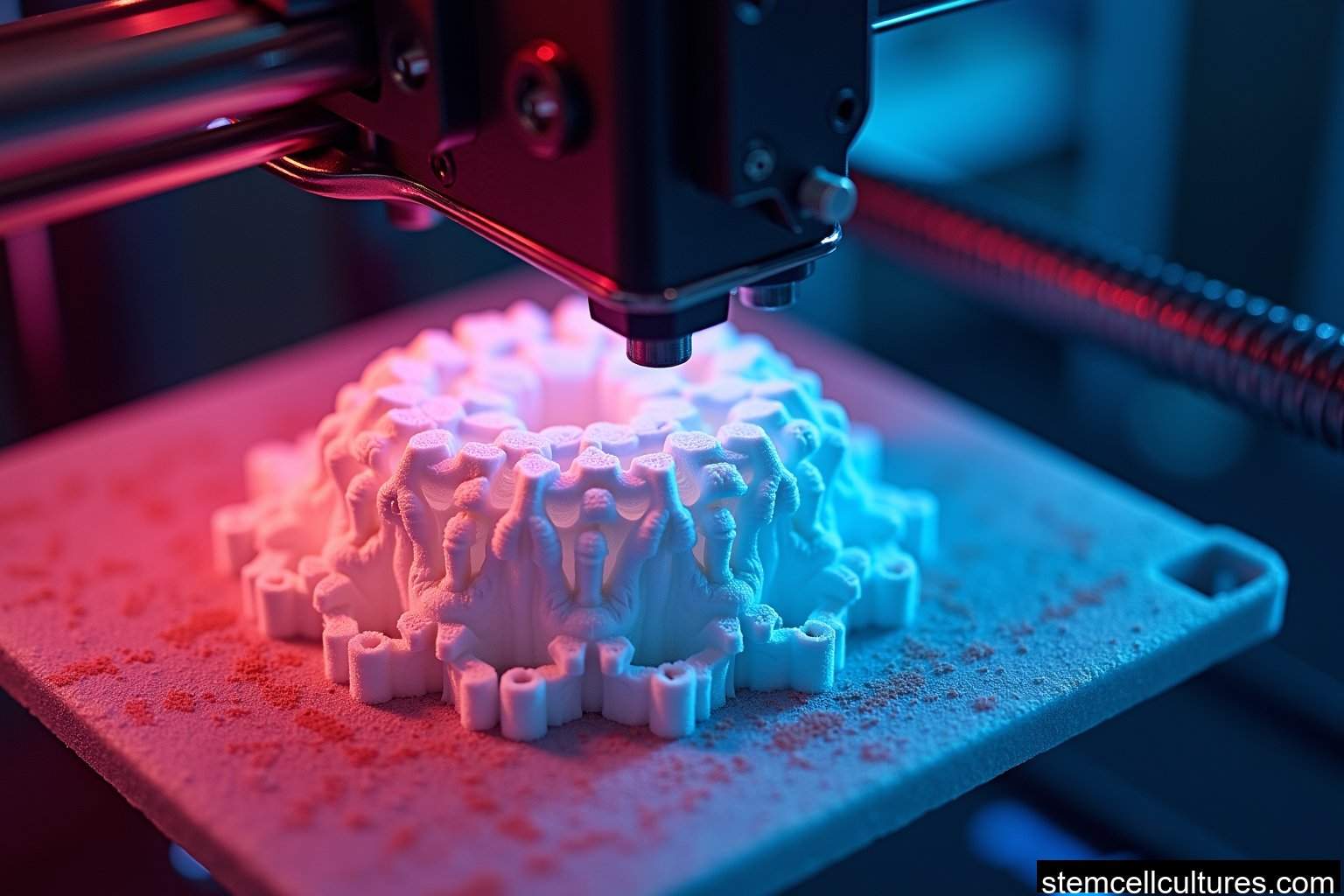
The field of stem cell research has always been at the forefront of groundbreaking scientific discoveries. At StemCellCultures.com, our commitment to providing valuable insights and resources for researchers and laboratories fuels our exploration of the latest advancements in the industry. In this article, we delve into the realm of innovative 3D printing techniques for stem cell scaffold fabrication, shedding light on how this technology is reshaping the landscape of regenerative medicine.
The Rise of 3D Printing in Stem Cell Research
Over the past decade, the integration of 3D printing technology in the field of regenerative medicine has opened up a world of possibilities for researchers. The ability to create complex three-dimensional structures with precision has revolutionized the way stem cell scaffolds are designed and fabricated. Unlike traditional methods that are often limited in customization and efficiency, 3D printing offers a level of unparalleled control over the architecture and composition of scaffolds, making it a game-changer in tissue engineering.
Experts in the field emphasize the significance of this advancement, with Dr. Emily Chen, a leading stem cell biologist, stating, "The marriage of 3D printing and stem cell research has the potential to unlock new avenues for tissue regeneration and personalized medicine."
Cutting-Edge Applications in Tissue Engineering
One of the most exciting aspects of 3D printing in stem cell research is its diverse range of applications in tissue engineering. Researchers are now able to design patient-specific scaffolds that closely mimic the natural microenvironment of cells, enhancing cell attachment, proliferation, and differentiation. This level of customization not only accelerates the process of tissue regeneration but also ensures optimal biocompatibility for the patient.
Furthermore, recent studies have shown that 3D-printed scaffolds can serve as vehicles for controlled drug delivery, enabling targeted treatment strategies for various medical conditions. This multifunctional approach highlights the versatility and adaptability of 3D printing technology in the realm of regenerative medicine.
Challenges and Future Directions
Despite its incredible potential, the integration of 3D printing in stem cell research also poses unique challenges. Issues such as scalability, standardization, and regulatory compliance remain critical areas that require further exploration and refinement. As the industry continues to evolve, collaboration between researchers, industry experts, and regulatory bodies will play a crucial role in overcoming these obstacles and maximizing the benefits of 3D printing technology.
Looking ahead, the future of 3D printing in stem cell research holds immense promise. With ongoing advancements in bioink development, high-resolution printing techniques, and bioprinting platforms, researchers are poised to unlock new frontiers in tissue engineering and regenerative medicine.
Embracing Innovation for a Brighter Tomorrow
In conclusion, the integration of 3D printing techniques in stem cell scaffold fabrication represents a paradigm shift in regenerative medicine. The ability to engineer intricate structures with precision and efficiency heralds a new era of personalized healthcare and groundbreaking treatments for various medical conditions.
As we navigate the complexities of this burgeoning field, StemCellCultures.com remains dedicated to providing researchers and laboratories with the latest industry insights, resources, and product recommendations. By embracing innovation and collaboration, we continue to drive progress in stem cell research and pave the way for a brighter future in regenerative medicine.
--- *Internal Links Suggestions:*
- Explore our comprehensive guide on Stem Cell Cultivation Techniques.